




Taylor Swift Moves to Trademark Voice, Likeness Amid AI Threats
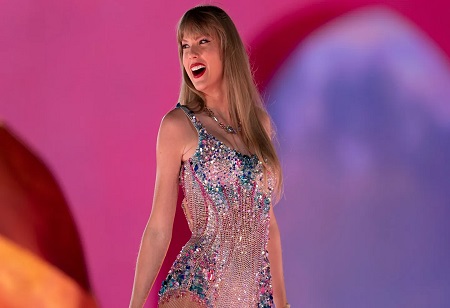
Pop superstar Taylor Swift has taken legal steps to protect her voice and image from misuse in the growing age of artificial intelligence misuse.
The singer recently filed trademark applications in the United States to secure rights over her voice and likeness, reflecting rising concerns about AI-generated deepfakes and digital impersonation.
The trademark filings were reportedly made through Swift’s company, TAS Rights Management.
Two applications focus on spoken phrases in her voice, including “Hey, it’s Taylor Swift” and “Hey, it’s Taylor.”
Another application relates to a visual image of the singer performing during her record-breaking Eras Tour. This move strengthens Taylor Swift trademark protection and highlights the growing need for voice trademark protection in the entertainment industry.
- Taylor Swift files trademarks to protect voice and image from AI misuse
- Legal move targets risks linked to deepfakes and digital impersonation
- Trademark filings reflect growing concern over AI-generated celebrity content
Experts believe the move is aimed at preventing unauthorized AI-generated content that copies Swift’s identity. Advances in AI technology have made it easier to recreate a person’s voice, facial expressions, and appearance in a highly realistic way. This has raised concerns around AI voice cloning, especially among celebrities and public figures seeking stronger celebrity image rights.
Traditional copyright laws mainly protect songs, recordings, and written material. However, they may not fully cover AI-created content that imitates a person’s voice or look. Trademark protection could provide an additional legal safeguard, helping individuals challenge fake content or misleading commercial use of their identity. This also supports broader intellectual property rights in the digital age.
Legal professionals say this approach is becoming increasingly relevant as AI tools continue to evolve. Trademarking distinctive voice phrases or recognizable personal branding may help public figures strengthen celebrity likeness protection and maintain control over their online identity.
Swift’s action reflects wider concerns in the entertainment world. Several artists and actors have expressed worries about manipulated videos, fake endorsements, and misleading audio clips spreading across online platforms. These developments have increased discussions about AI content regulation and growing entertainment industry AI concerns.
Also Read: Kriti Sanon Turns 'SPF Police' in Hyphen's New Skincare Ad
By pursuing trademark protection, Swift joins a growing number of public figures seeking stronger legal safeguards against AI misuse. As technology continues to advance, more creators may follow similar steps to protect their identity and personal brand.
Current Issue
.jpg)
🍪 Do you like Cookies?
We use cookies to ensure you get the best experience on our website. Read more...