




DTH Viewership Drops While FM Radio Sees Revival for MIB
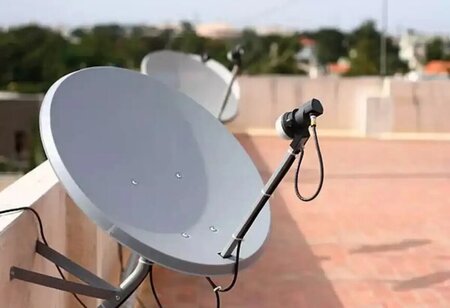
- MIB reports FY25 revenue decline from DTH services, reflecting shrinking pay-TV subscriber base.
- FM radio sector sees revenue growth, offsetting DTH losses and highlighting radio's resilience in India.
In FY25, the Ministry of Information and Broadcasting (MIB) earned lower revenues from the Direct-to-Home (DTH) television services market, reflecting a declining pay TV user base. According to the ministry's most recent annual report, earnings from the FM radio sector increased over the year.
In FY25, the MIB earned ₹648.73 crore from private DTH operators, down from ₹692 crore in FY24 and ₹859.96 crore in FY23, representing a nearly 25% decrease over two years. Private FM radio revenue increased to ₹196.28 crore last fiscal year, up from ₹186.80 crore in FY24 and ₹178.99 crore in FY23.
In FY25, the ministry generated ₹1,012.39 crore in non-tax revenue using the Bharatkosh platform on the NTR e-portal. The MIB grants licenses to television and radio broadcasters.
The ministry collects licence fees from DTH operators, who use high-powered Ku-band transponders to deliver satellite-based television content across the country. The segment includes four private operators: Tata Play, Airtel Digital TV, Dish TV, and Sun Direct, as well as public broadcaster Doordarshan, which operates the free-to-air DTH platform DD Free Dish.
DTH subscriber numbers have been steadily declining over the years. According to Telecom Regulatory Authority of India (TRAI) data, India's active DTH pay user base will fall to 56.92 million in 2025, down from 70.26 million in 2020. The decline has been gradual but consistent, with annual figures falling from 69.57 million in 2021 to 66.92 million in 2022, 65.25 million in 2023, and 61.97 million in 2024.
This steady decline indicates a larger shift in consumer behavior, as audiences increasingly turn to digital and over-the-top (OTT) platforms that provide more flexible, on-demand viewing experiences.
According to industry estimates, Prasar Bharati-owned DD Free Dish now reaches 50 to 60 million homes, making it larger than all four private DTH platforms combined.
DD Free Dish does not charge subscription fees and operates on a free-to-air model. As a result, its expansion is not reflected in the ministry's licence fee earnings, as DD Free Dish does not pay a licence fee and operates outside of the private DTH revenue framework.
In contrast, FM radio maintains its dominance, particularly in regional and semi-urban markets. FM broadcasters pay the ministry non-refundable one-time entry and migration fees, annual license fees, tower rentals, and processing charges.
Also Read: Dish TV CEO Calls for Implementation of TRAI DTH Fee Reduction
The ministry emphasized FM radio's growing popularity with younger listeners and local advertisers. Private FM channels also play an important role in the government's communication and outreach initiatives. The ministry has actively used FM radio to promote development initiatives, particularly in remote and border areas.
As of March 31, 2024, 388 private FM radio channels operated in 113 cities across 26 states and five Union territories. New stations have recently been opened in strategic border areas such as Leh and Kargil in Ladakh, and Bhaderwah, Kathua, and Poonch in Jammu and Kashmir.
FM channels reported total advertising revenues of ₹466.63 crore for the quarter ended March 31, a slight decline from ₹500.11 crore in the December quarter, indicating a resilient medium amid a rapidly changing media landscape.
Current Issue
.jpg)
🍪 Do you like Cookies?
We use cookies to ensure you get the best experience on our website. Read more...