




Films Before Figures: The Most Beautiful Perspective
OTT: Boon and Bane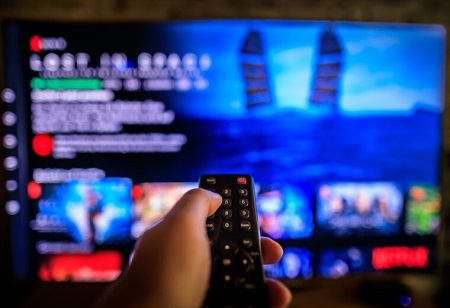
The post-pandemic surge of OTT platforms like Netflix, Amazon Prime Video, Disney+ Hotstar, and JioCinema has permanently altered viewing habits.
The Indian OTT market is expected to reach $13–15 billion by 2030, growing at a CAGR of over 20%, according to a report by PwC.
Today, people in villages are watching big-budget Hollywood films, while urban viewers are exploring deeply rooted regional dramas. The widespread availability of diverse content in multiple local languages has been a game-changer, enabling filmmakers to showcase their work to broader, more varied audiences.
This shift has significantly raised the bar for content quality and viewer expectations, accelerating the evolution of the film industry.
However, this growth comes with its own set of challenges. OTT platforms, much like friction, are a necessary force — essential, yet not without drawbacks.
Many films now strike deals that bring them to streaming platforms just weeks after their theatrical release. As a result, general audiences often choose to wait, heading to theatres only if a film receives overwhelmingly positive reviews or launches during major festivals.
This has led to a notable decline in theatre footfalls, particularly hurting small films. These smaller projects may offer exceptional stories but often struggle to get the recognition they deserve on the big screen.
Films like Kumbalangi Nights, The Great Indian Kitchen, Laapataa Ladies, 12th Fail, and Manamey found nationwide acclaim largely through their OTT releases, although were ignored when they released on big screens.
Fortunately, OTT platforms at least provide them a second life, allowing such films to eventually find an audience — though it would be far better if they were celebrated right from their theatrical release.
Also Read: OTT Platforms Devise Fresh Strategies to Reduce Costs
What the Industry Needs
- Recognition and fair pay for writers: Writers must be credited and compensated fairly. Without strong writing, no scale or star power can save a film.
- Return to authentic storytelling: Rooted, culturally specific stories have proven to resonate with wider audiences. India’s folk tales, local histories, and regional narratives are a goldmine waiting to be explored. Bollywood is in desperate need of this compared to the other Indian industries.
- Balanced approach to OTT and theatrical releases: While OTT platforms have expanded viewership, the industry must find ways to sustain theatrical viability, especially for mid-budget and indie films.
A film earning 100 crores doesn’t automatically make it a good film, just as a film with modest collections isn’t necessarily bad.
I truly hope small films receive their due recognition at the right time, and that writers once again become the heart of cinema. Films aren’t just about grand sets, big stars, or massive scale — they’re about the story, the passion, the narrative, and the emotions they evoke.
Writers shouldn't create with the pressure to please everyone, but rather aim to genuinely move someone — even if it's just one person, because someday, somewhere, someone will speak about your film, whether it’s in a small tea shop or a five-star hotel.
Current Issue

🍪 Do you like Cookies?
We use cookies to ensure you get the best experience on our website. Read more...